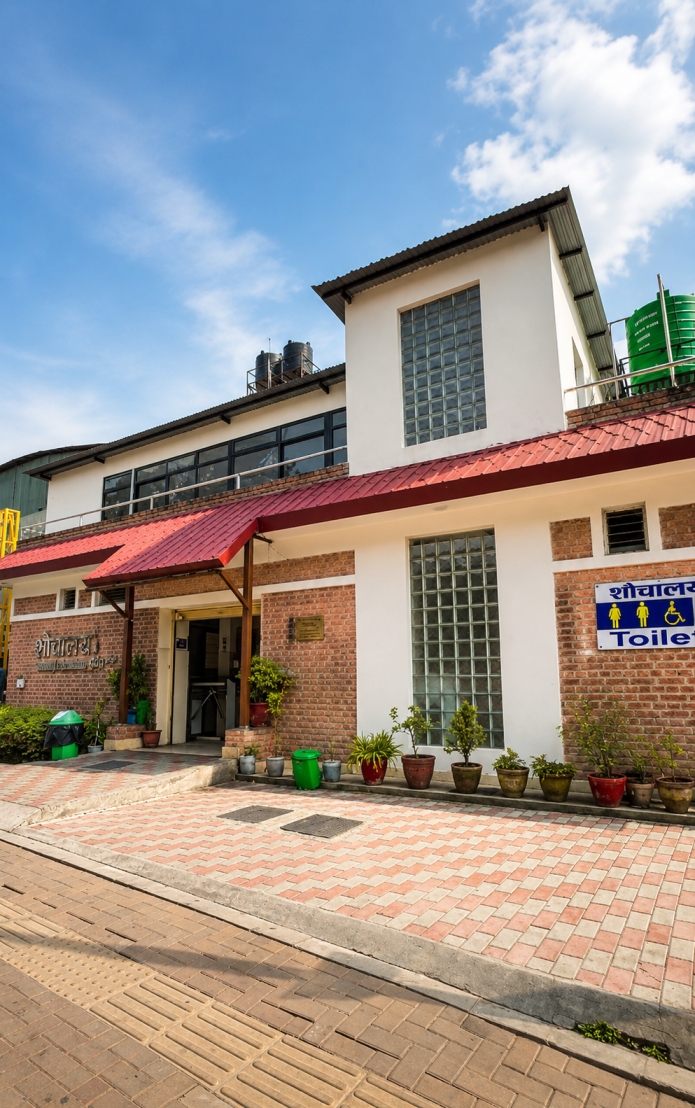
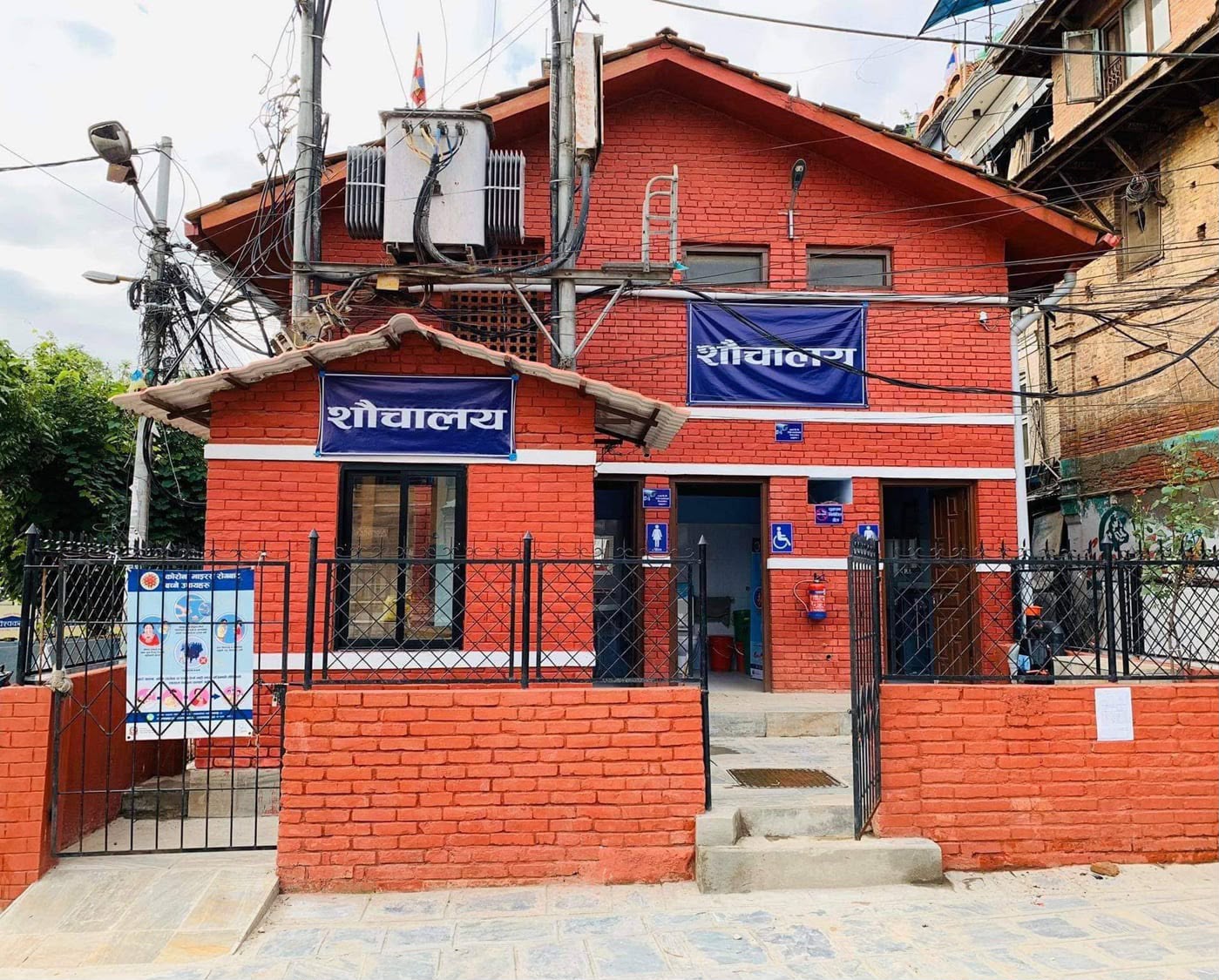
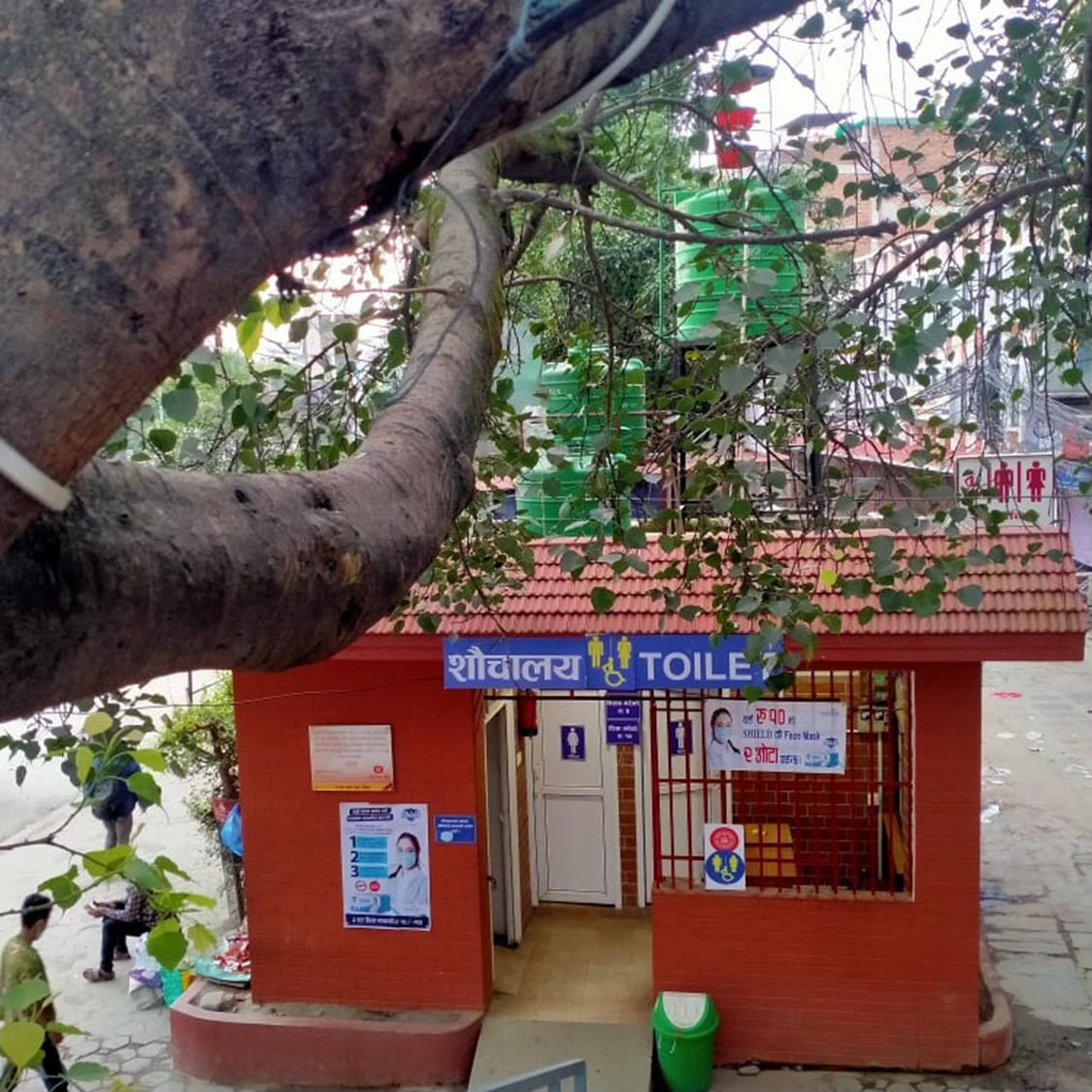
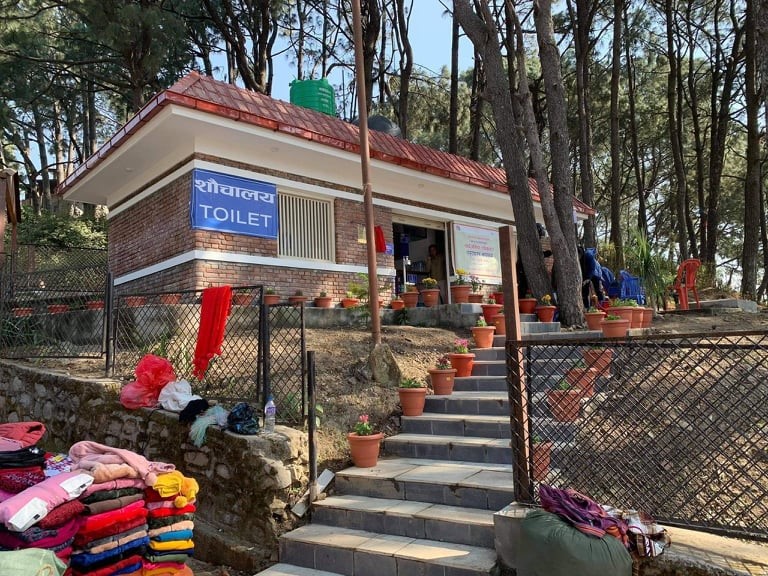
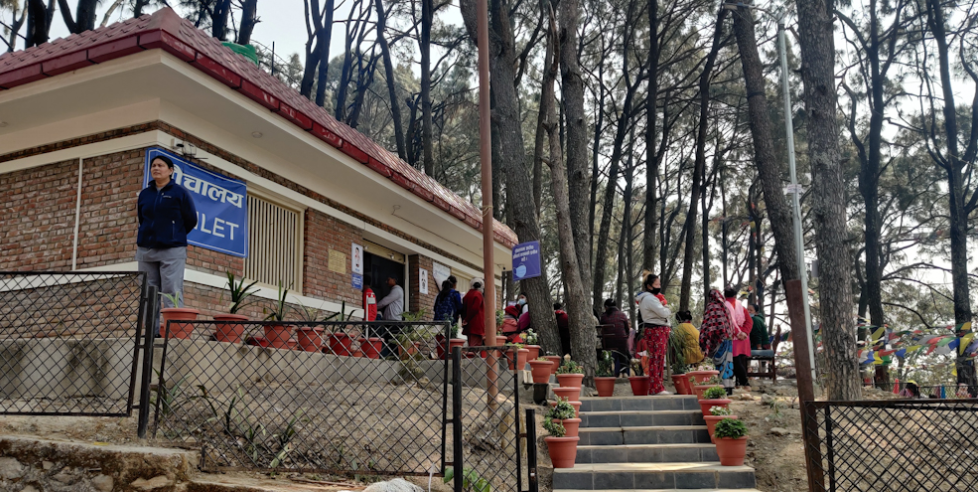
Aerosan builds gender-friendly, menstrual hygiene-inclusive, environmentally sustainable smart public toilet infrastructure — turning Nepal's sanitation crisis into a self-funding circular economy.
Aerosan is Nepal's first smart, self-sustaining public sanitation enterprise — designed for gender equity, environmental regeneration, and financial independence from day one.
We build IoT-monitored HUBs that convert waste into biogas and organic fertilizer, operated by trained local cooperatives, with dedicated menstrual hygiene and disability-accessible infrastructure in every unit.
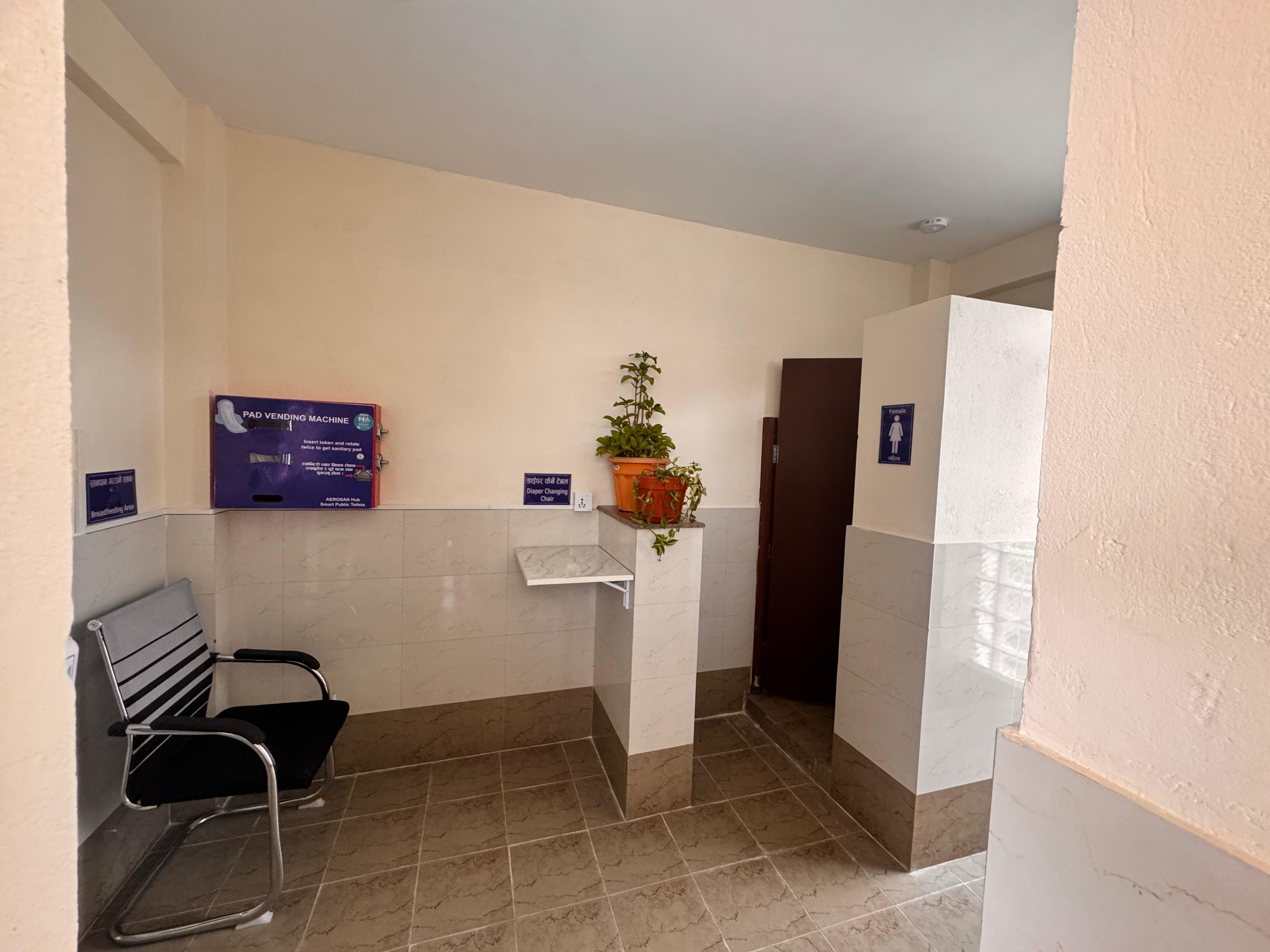
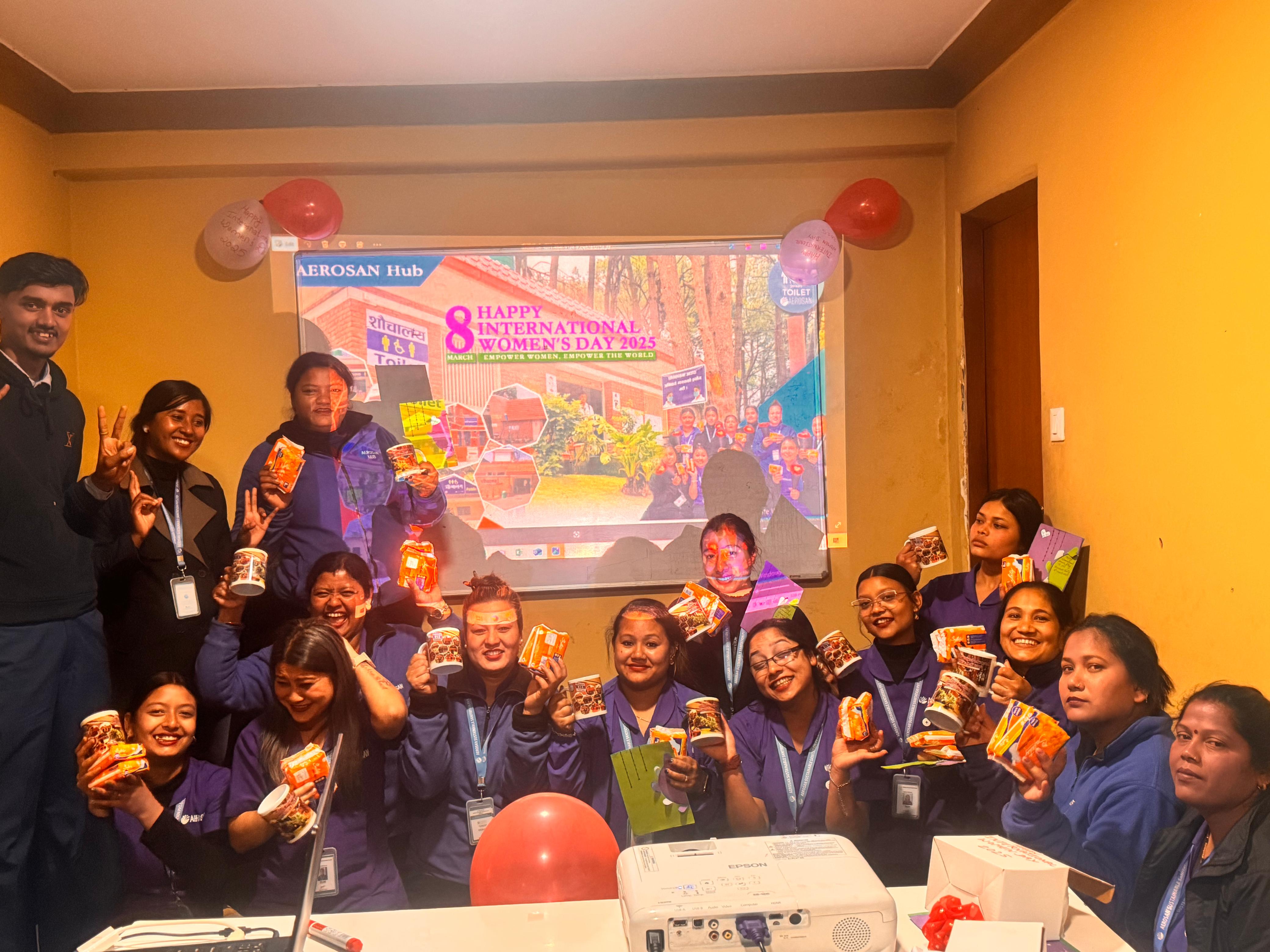
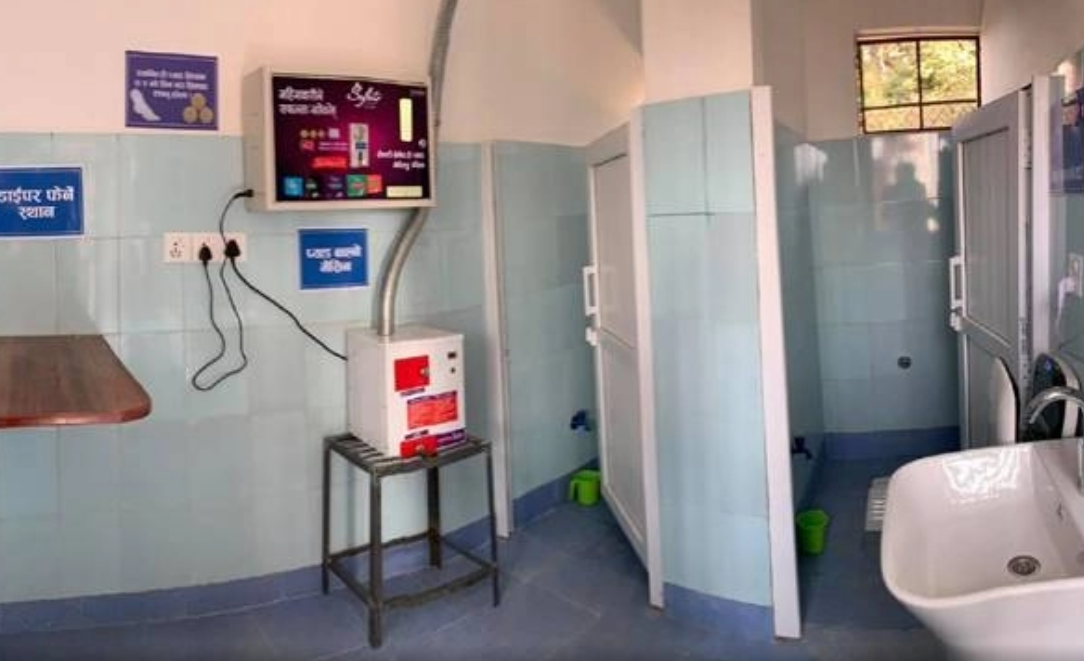
Dedicated female sections, menstrual hygiene bins, sanitary dispensers, and safety lighting in every HUB.
100% waste converted to biogas energy and certified organic fertilizer — nothing reaches rivers.
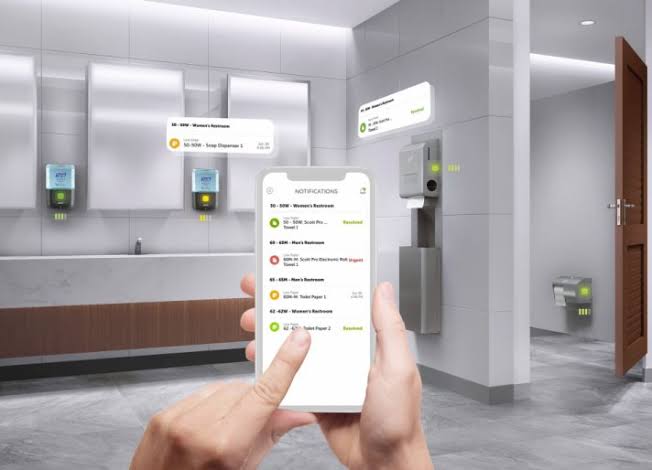
Live dashboards track cleanliness, occupancy, energy production, and maintenance needs 24/7.
Each HUB integrates smart technology, human equity, and circular economics into a single cohesive platform.
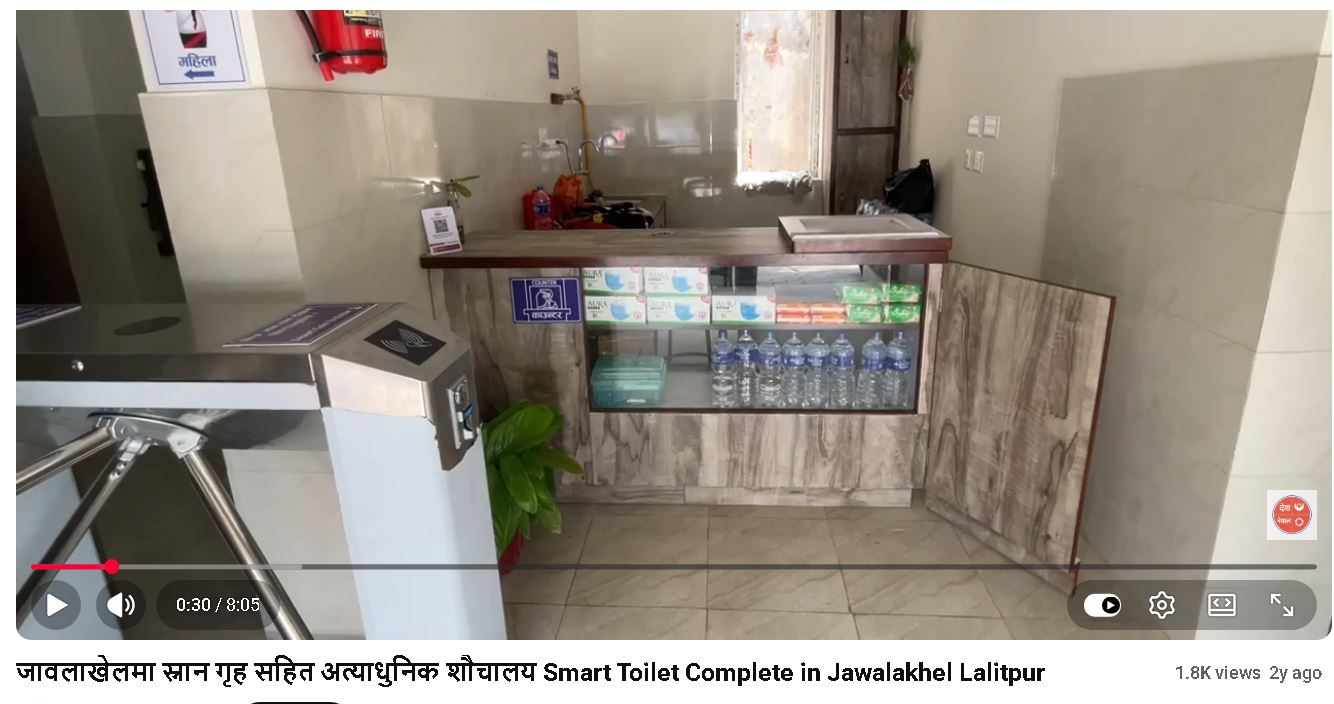
Automated cleaning alerts, touchless fixtures, air-quality sensors, and odor monitoring ensure consistently clean conditions every operating hour.
02
Sanitary vending machines, hygienic disposal bins, privacy screens, and clean changing facilities built into every female section — not afterthoughts.
03
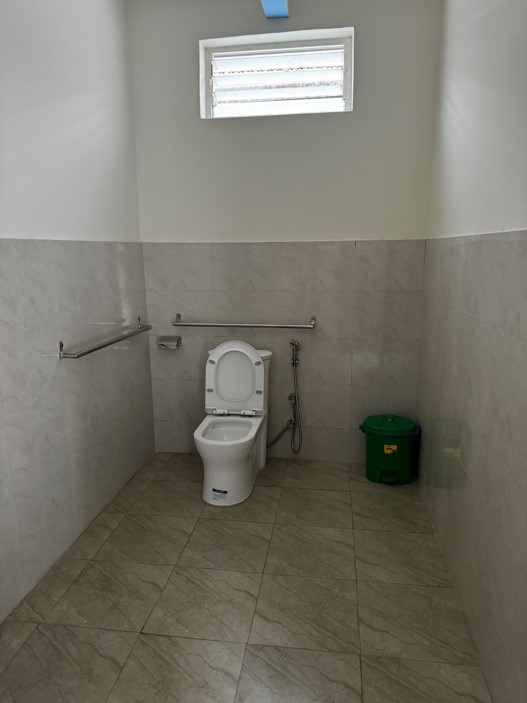
Dedicated female sections, full wheelchair access, baby-care stations, and enhanced safety lighting — equitable design as a standard, not an upgrade.
04
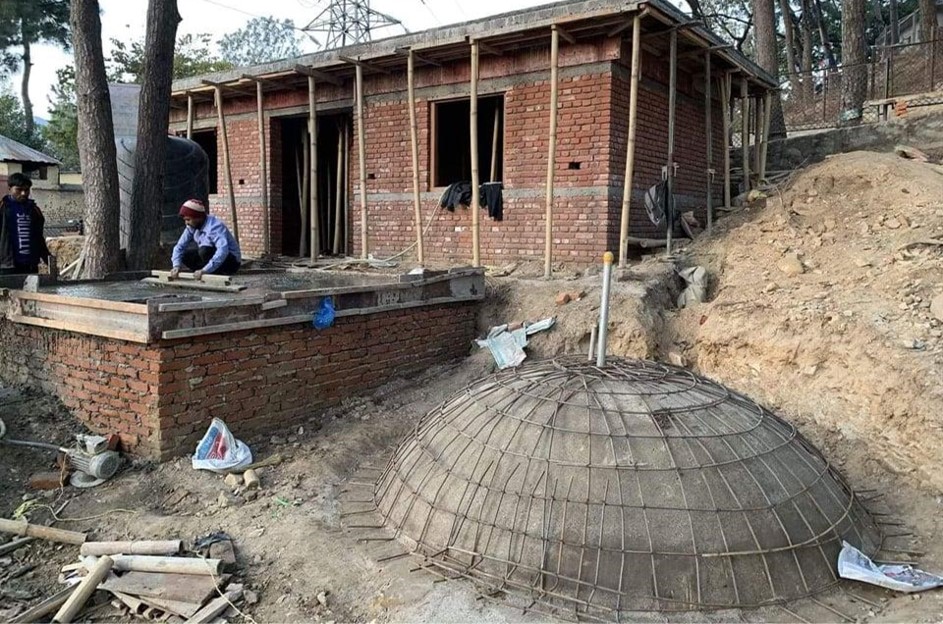
Sealed anaerobic bio-digesters convert 100% of organic waste into biogas and certified organic fertilizer. Zero river discharge — guaranteed by design.
Real-time data on occupancy, cleanliness scores, energy output, and maintenance tasks — accessible to operators and municipalities on any device.
06
User fees, biogas sales, organic fertilizer, advertising, and training licences create a five-stream surplus — no government dependency, ever.
Every gram of waste that enters an Aerosan HUB exits as energy, fertilizer, or community income. Nothing reaches the river.
Sealed hygienic chambers capture all waste — no open drains, no river contact, no contamination risk.
Anaerobic micro-organisms break down organic matter in sealed digester tanks, producing methane and nutrient-rich effluent.
Biogas powers on-site lighting and cooking. Processed effluent becomes certified organic fertilizer sold to local farms.
Revenue funds operator wages, maintenance, and new HUB expansion — a fully self-sustaining loop.
Every Aerosan HUB is built against measurable targets — not aspirational language, but engineered outcomes verified through real-time monitoring.
Five strategic programs addressing sanitation, gender equity, circular economy, and community health.
"For the first time I feel safe using a public facility in Kathmandu. The women's section is clean, private, and has everything I need. This is what we've been asking for."
"Aerosan's model demonstrates that sanitation infrastructure can be financially self-sustaining while delivering meaningful social impact. A genuine best-practice for South Asian cities."
"Aerosan HUB is recognized as a best-practice model in urban sanitation innovation — demonstrating that public infrastructure can be both self-sustaining and socially transformative."
— Urban Infrastructure Review, Best Practice Recognition 2024Research, insights, and analysis on the future of sustainable urban sanitation in Nepal.
We collaborate with municipalities, development donors, UN agencies, and impact investors to scale proven systems across Nepal's cities.