Six pillars of every HUB
Technology, equity, and circular economics integrated into one self-sustaining platform.
 01
01
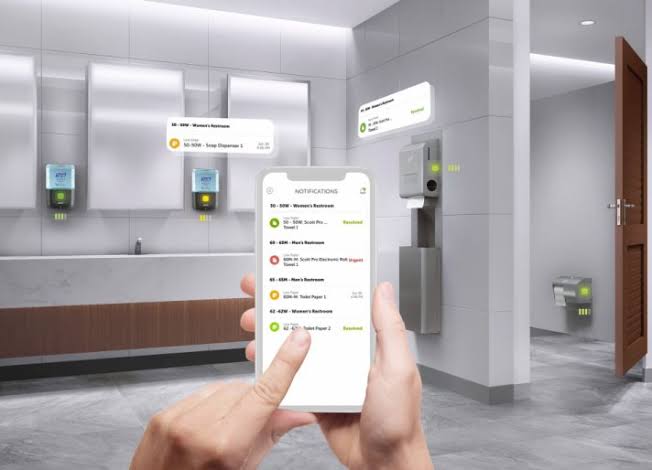
Hygienic Smart Facilities
Automated cleaning alerts, touchless fixtures, air-quality sensors, and odor monitoring ensure consistently clean conditions every operating hour.
 02
02
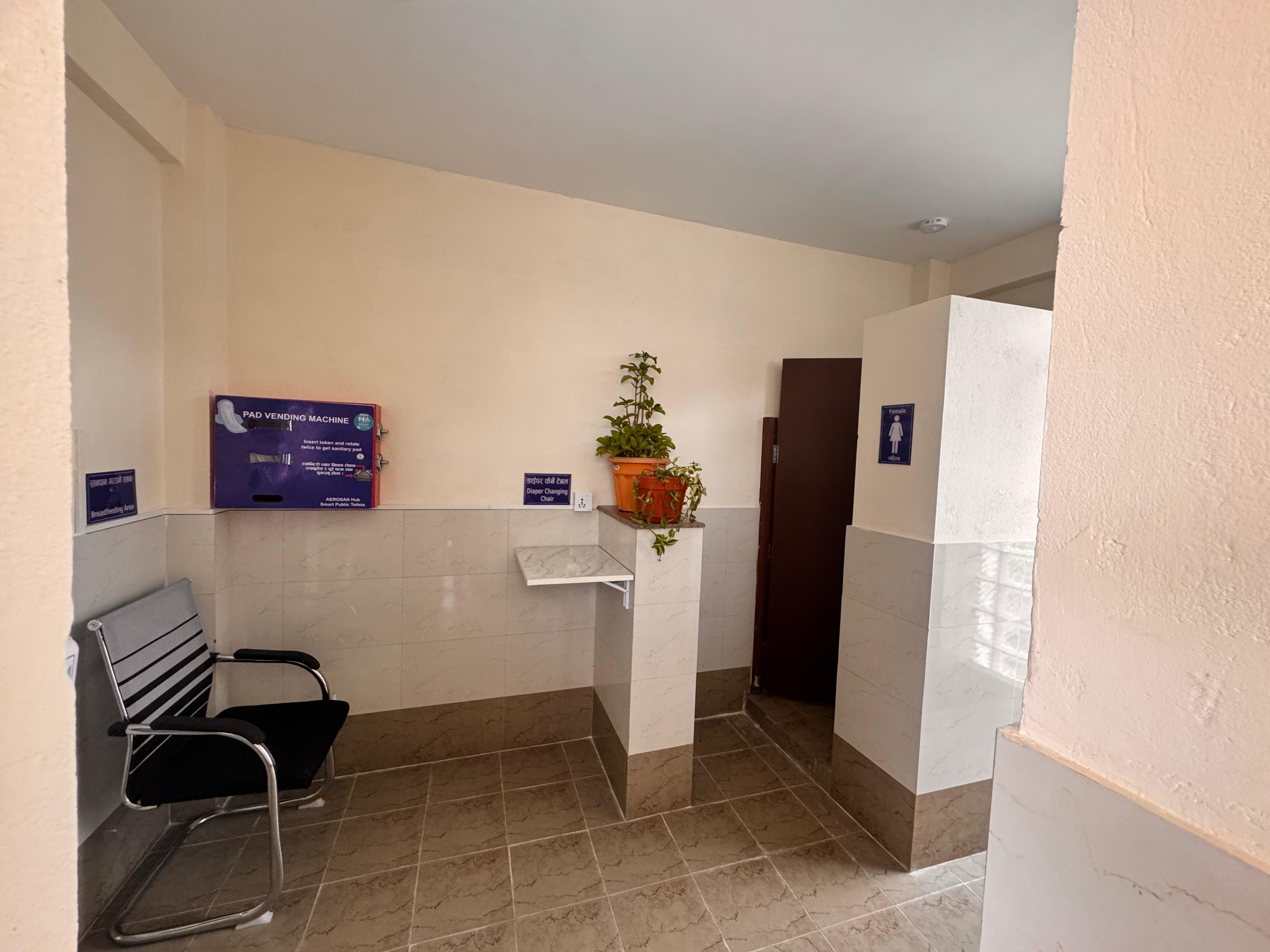
Menstrual Hygiene Management
Sanitary vending machines, hygienic disposal bins, privacy screens, and clean changing facilities built into every female section — not afterthoughts.
 03
03
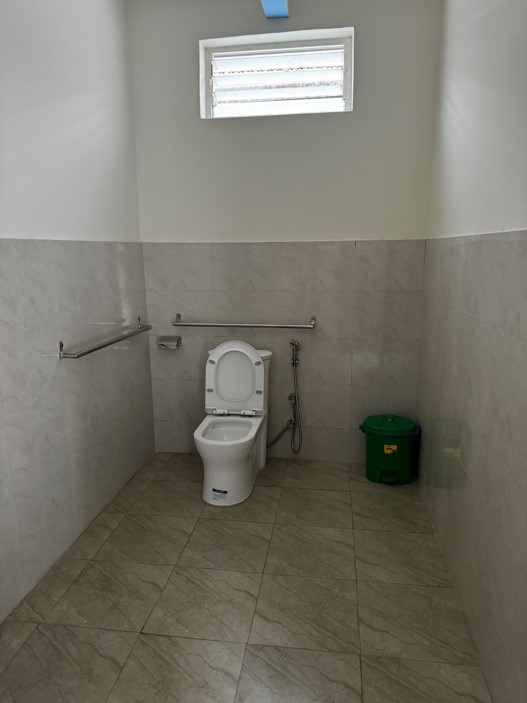
Gender & Disability Inclusive
Dedicated female sections, full wheelchair access, baby-care stations, and enhanced safety lighting — equitable design as a standard, not an upgrade.
 04
04
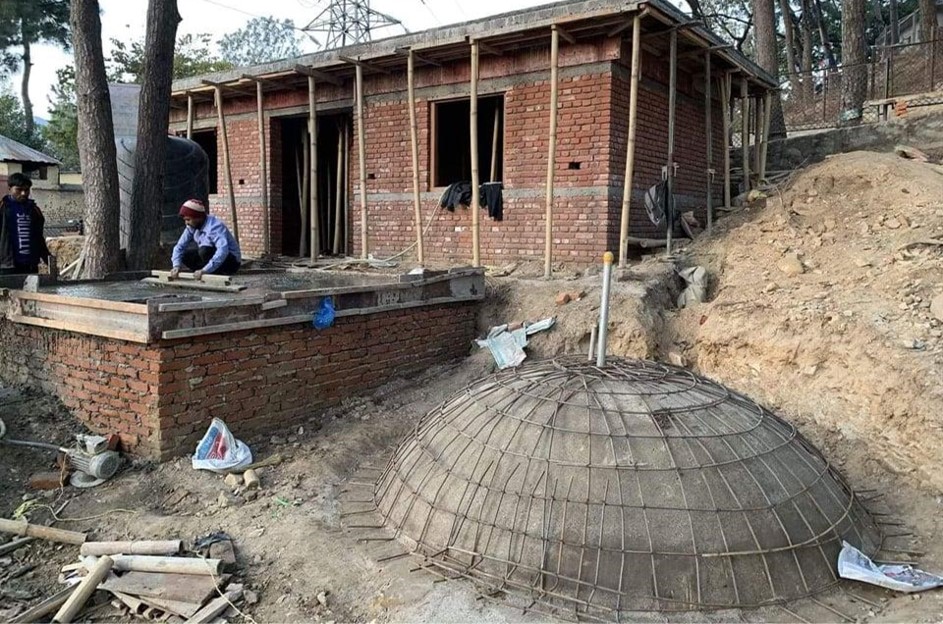
Waste-to-Energy Technology
Sealed anaerobic bio-digesters convert 100% of faecal waste into biogas and organic fertilizer. Zero river discharge — guaranteed by design.
 05
05
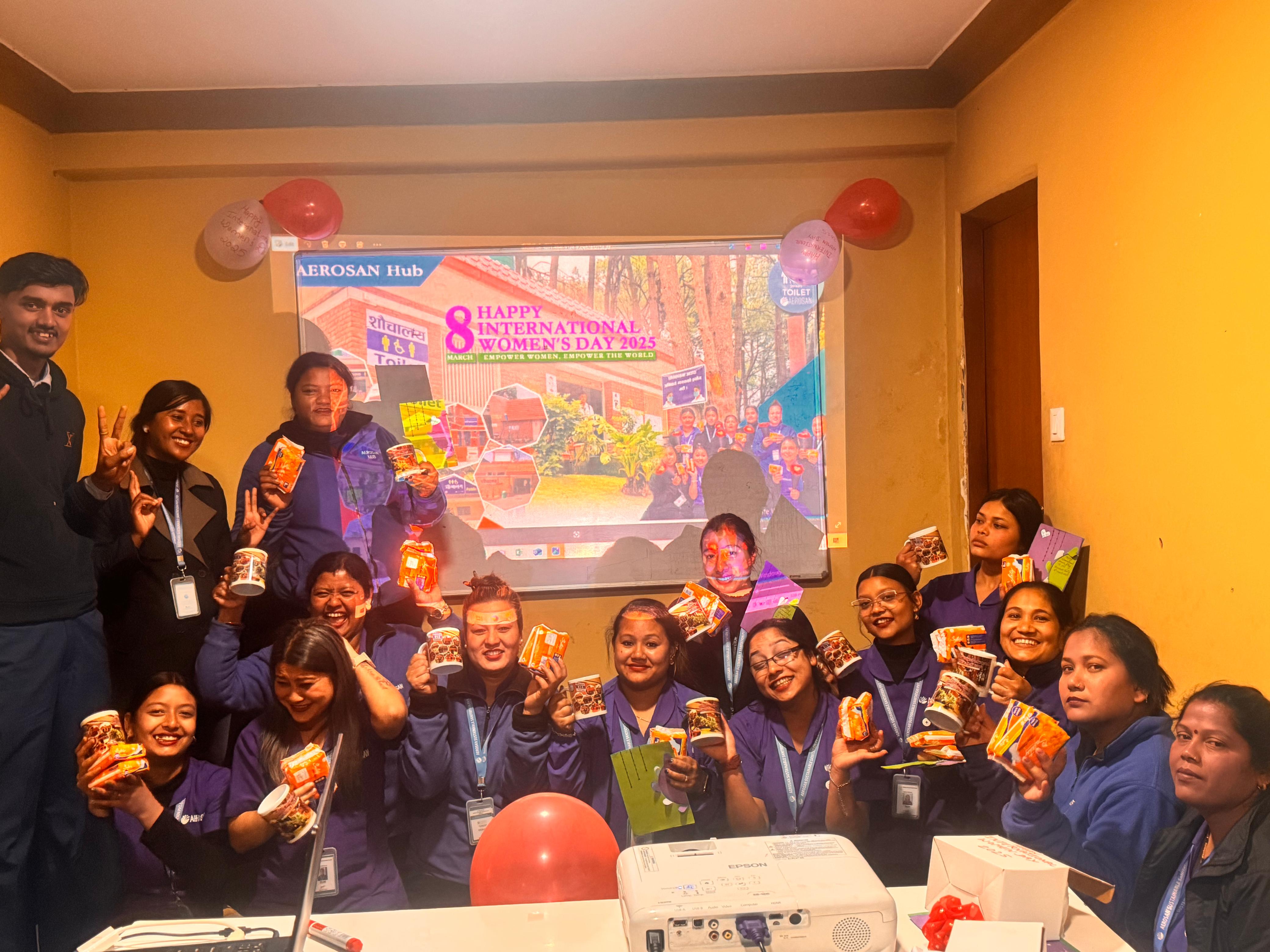
Employment Opportunities to Female Sanitation Workers
The women sanitation workers from the marginalized community (Pode, Deula, Pariyar) are provided with dignified job opportunity. Also, the disabled women who could not hear are trained with the protocol of Aerosan and provided job opportunities.
 06
06
Revenue-Generating System
User fees, biogas sales, organic fertilizer, advertising, and training licences create a five-stream surplus — no government dependency, ever.