1.
Neo Infrastructure
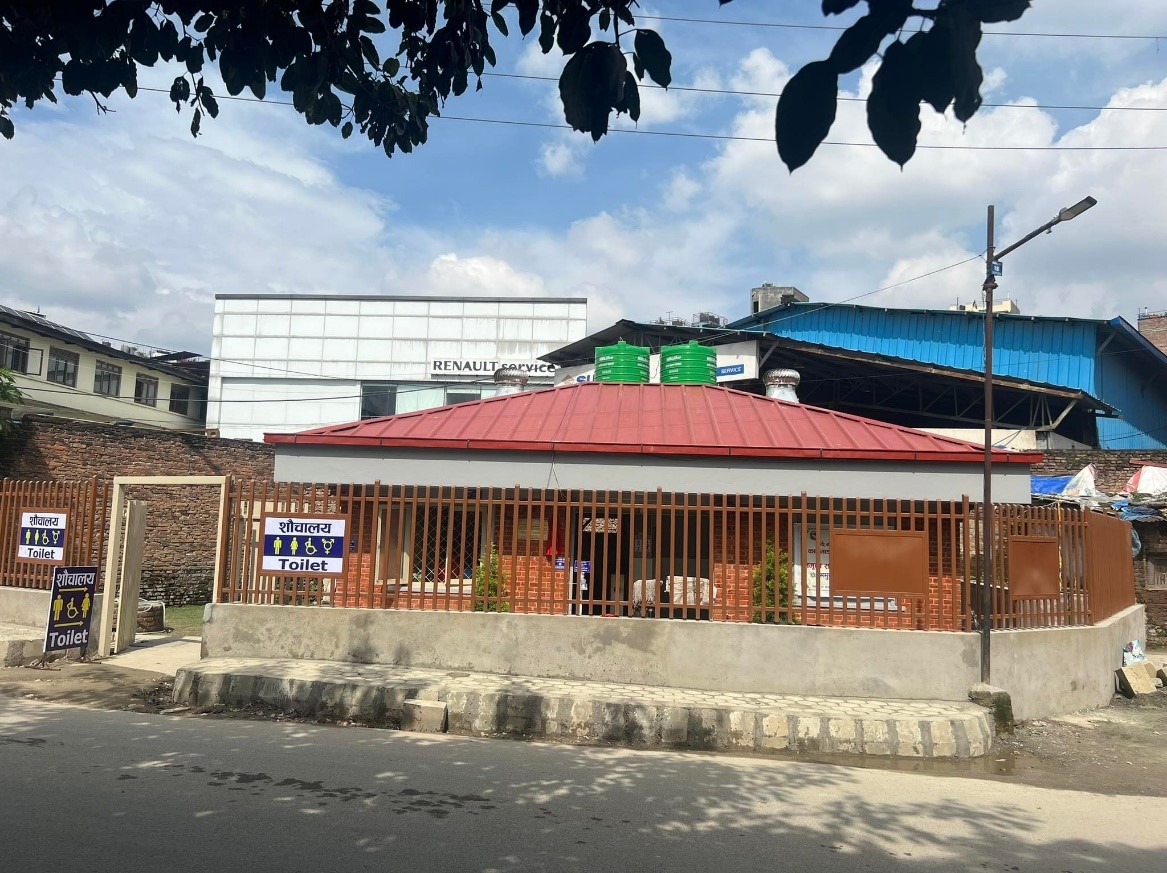
This Hub has three male
cubicles for defecation and 4 units of the urinal for the male among them one
urinal is child friendly. One wheelchair-accessible cubicle for disabled users
(it's free). The female block is comprised of 3 cubicles. The cubicles and
urinals are equipped with a sensor-based auto flush system to maintain
cleanliness after each use. The water in the flush comes from wastewater
recycling. The hub also consists of the sensor light and turbo ventilation fan
for fresh air circulation. The hand wash stations are also sensor-based
supported by the liquid soap auto dispenser, a sensor-based hand drier to
promote a touchless hand washing experience. All the cubicles are cross-ventilated.
The cubicles have an award-winning uniquely designed Squatease Pan that was
helpful in a comfortable squatting experience during defecation and further
promotes toilet training. All the cubicles have hooks to hang the user's coat,
bag, and purse.
2.
Gender Friendly Public Toilet
The hub provides a gender-friendly
environment to reduce the problem that women and girls are facing. Women feel
difficult to use the public toilet since there are no light and water
facilities in public toilets. There are also cases of molestation in the dark
public toilet and hence they feel insecure to visit the public toilet even if they
need it badly. But this public toilet is spacious with abundant light which
makes the women feel comfortable and secure using the public toilet. Menstrual
hygiene management facilities like pad vending machines are placed where they
can easily get sanitary pads inside the public toilet at a subsidized cost and
the safety pad disposal machines are available for the proper disposal of the
used sanitary pads. Users need not hide the pads above the doors or windows as
there is a dustbin and also the pad vending machine. It also has hooks systems
in the doors of a female toilet to hang their bags which has increased the
safety among the girls. There is also a diaper changing area for the babies in
the female compartment.
3. Electronic entrance gate system
The hub consists of the electronic gate at the entrance of the
male and female. This system helps to identify the number of male and female
users entering the hub. This e –gate is associated to a website where we can
get the user data.
4.
Environment-Friendly Systems:
a. Rainwater Harvesting System:
Rainwater is the purest form of water. But the proper utilization of rainwater
is very little. Also in the urban area like Paropakar, the urban flooding is
possible due to the heavy rainfall when not utilized properly. The hub consists
of 760.44 sq ft catchment area for rainwater collection recharges the ground
water. Annually 973,363 liters of rainwater is recharged
underground.
b. Wastewater Treatment System: The
hub utilizes the treated wastewater from the wash basin to flush the toilet.
The design capacity of the wastewater treatment system is 1000 liters per day.
The wastewater treatment system is based on natural filtration by aerobic
settling tanks and the reed bed. In a year around 1 lakh, 82 thousand and five
hundred liters of freshwater can be conserved utilizing the treated wastewater
in the flush. This stops the wastewater from going into the natural river
system contributing to the reduction of pollution of the river system and
groundwater sources.
c. Biogas Digestor: Fecal waste management is a major problem in the cities like Kathmandu Valley. Most of the septic tanks are connected to the river system and those which are not connected are collected by tankers and then finally disposed to the water systems. But the Aerosan Hub, Paropakar has developed a bio gas digestor of 10 cubic meter capacity and is the generated bioas would be utilized to run café.
Partner on This Initiative
Interested in collaborating with us on this project? Let's start a conversation.
Get in Touch